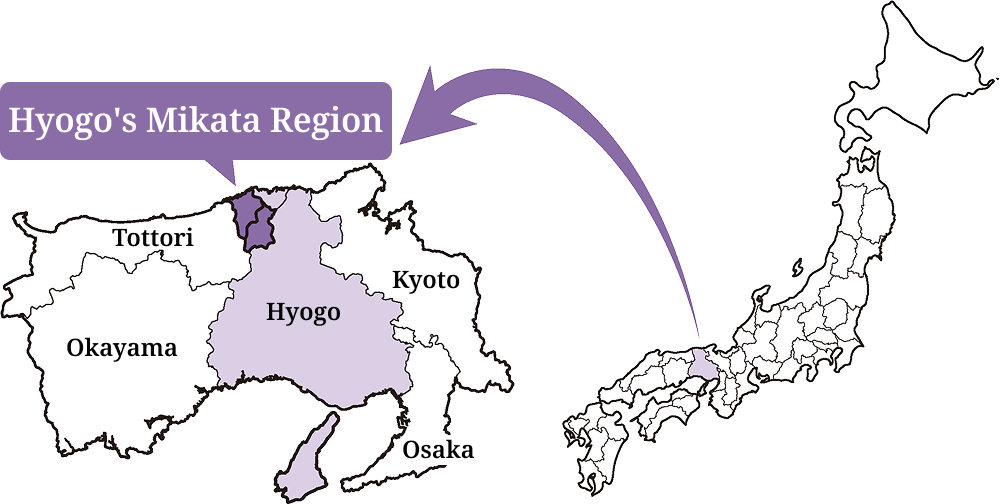
Kobe Beef, Matsusaka Beef, Ōmi Beef –
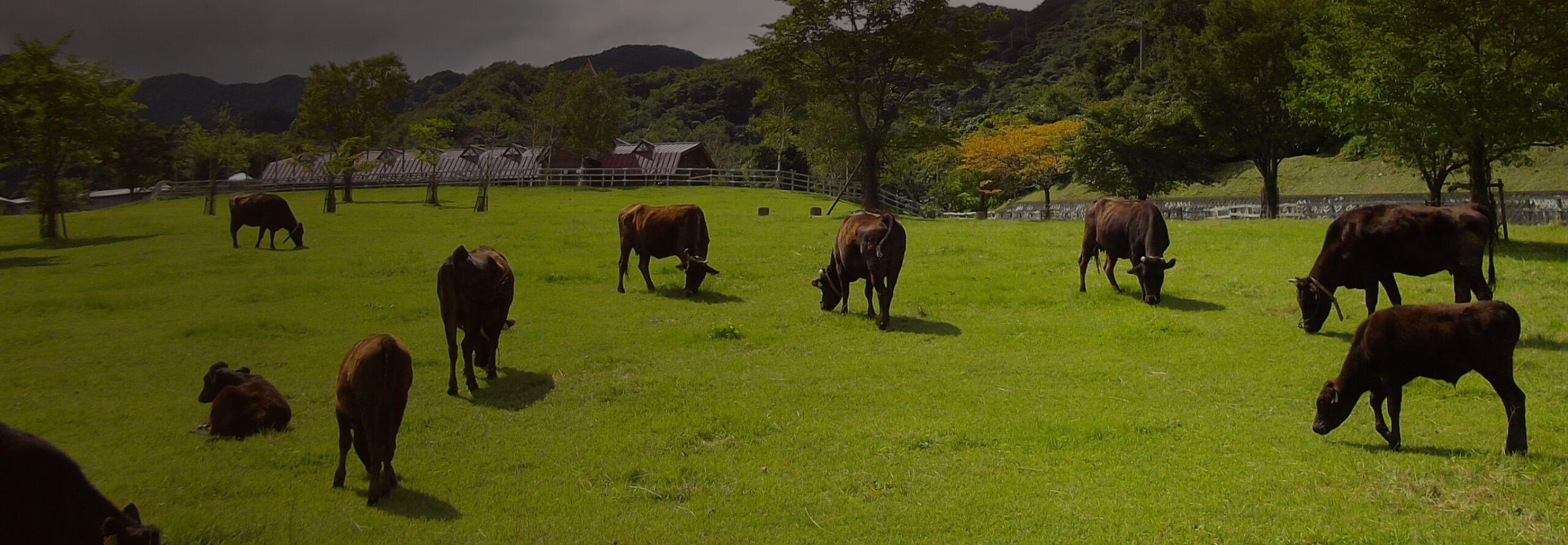
Japan’s beloved branded Wagyu varieties. Tracing their origins leads to the Mikata region in northwestern Hyōgo Prefecture. For centuries, Mikata has been known as a land of exceptional cattle, supporting the development of Japan’s Kuroge Washu (Japanese Black). The bloodlines that form the foundation of today’s Wagyu culture spread from Tajima cattle, carefully preserved in this region. The true origin of Wagyu lies here in Mikata.
The “Tsuru ushi” Lineages that Nurtured Superior Bloodlines
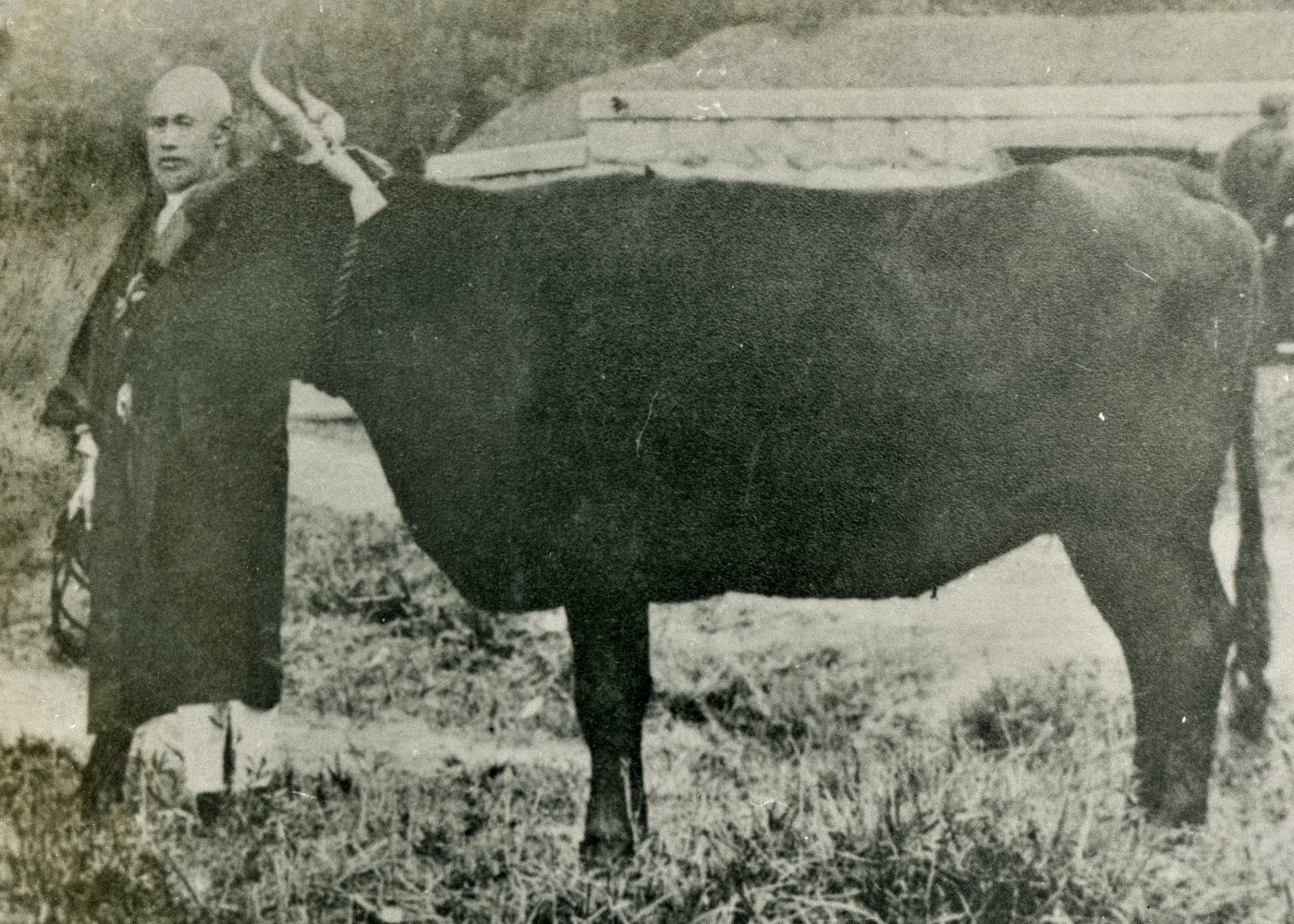
In Mikata, a unique breeding system called tsuru ushi developed long ago. Tsuru ushi refers to the practice of improving cattle by passing down the female lines with outstanding traits over generations. During the Edo period, many tsuru ushi lineages were formed along each valley, with farmers diligently preserving the lines of excellent cows. Wagyu improvement in Mikata has always been supported by the dedication of individual farming households.
The Legendary Bull “Tajiri” That Transformed Wagyu Nationwide
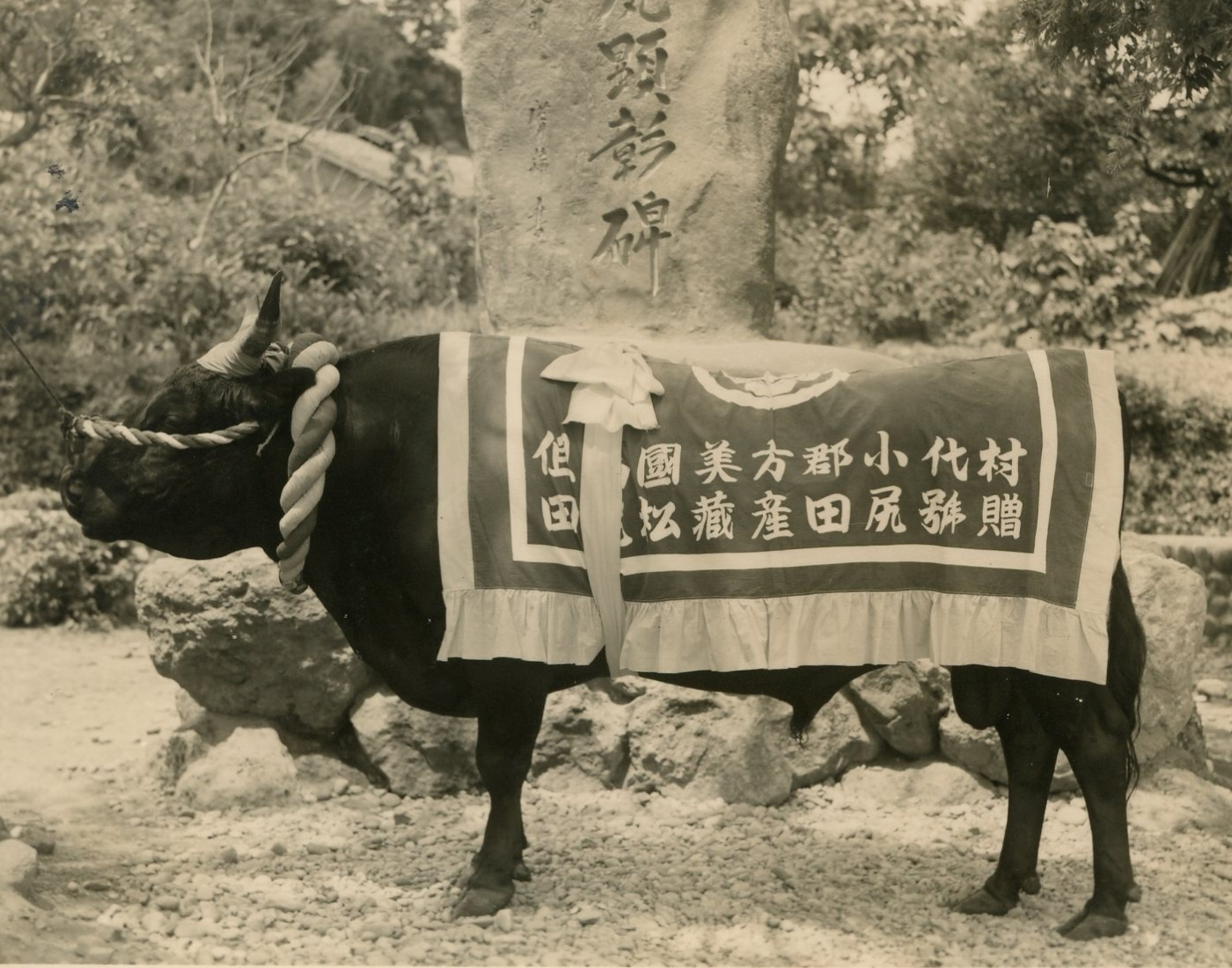
The breeding bull Tajiri was born in the Mikata region. His exceptional qualities were highly valued across Japan and widely used in Wagyu improvement.
99.9%
Today, it is said that 99.9% of all Japanese Black cattle nationwide carry Tajiri’s bloodline, making him indispensable in the history of Japanese Wagyu.
The Origin of World Renowned Kobe Beef
Kobe Beef is known worldwide as a premium brand. Only Tajima cattle born in Hyōgo Prefecture are eligible to become the “motoushi”—the feeder cattle—from which Kobe Beef is produced. The superior bloodlines and breeding techniques preserved in Mikata underpin the exceptional quality of Kobe Beef.
Japan’s First Cattle Registry
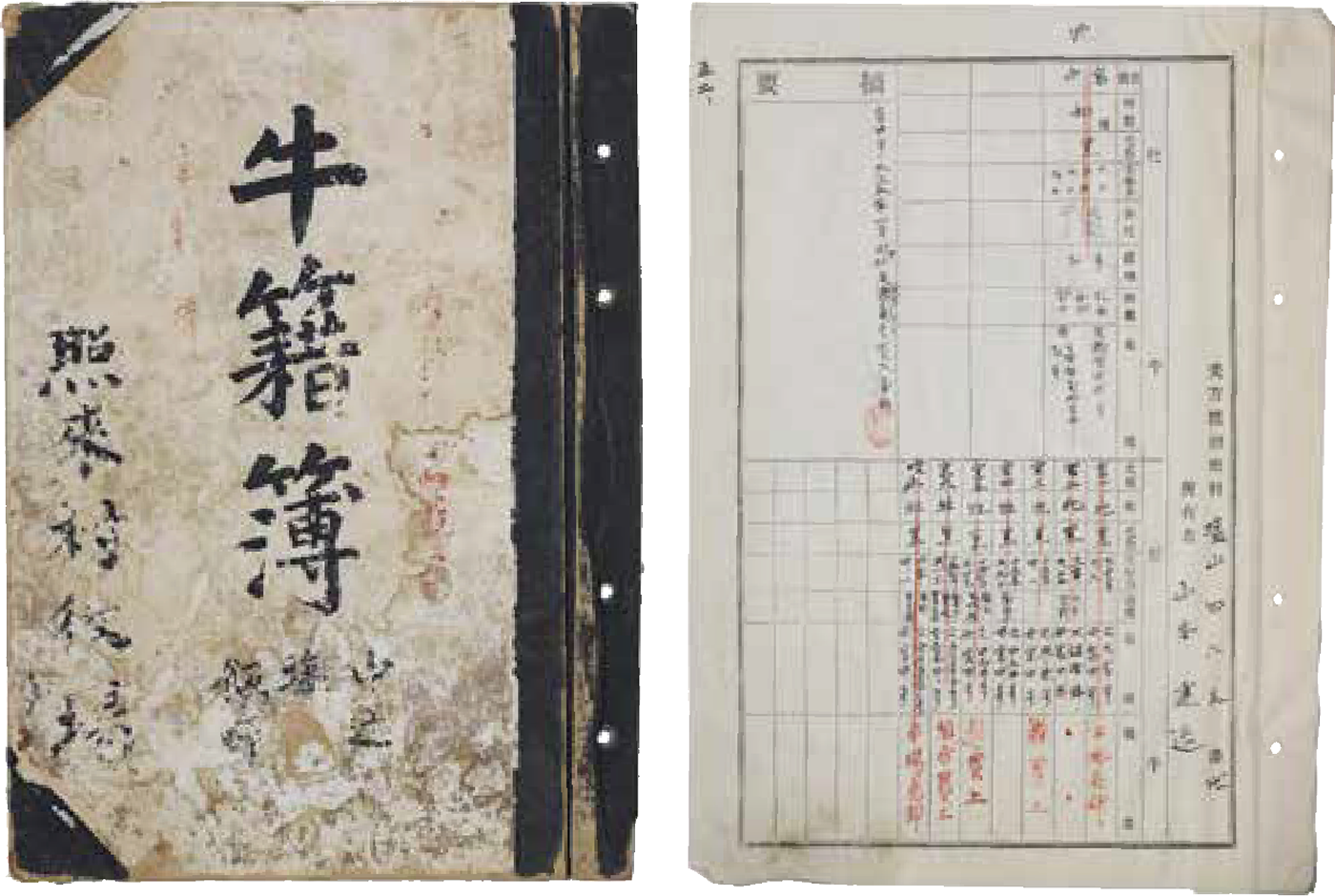
Around 1897, Mikata established Japan’s first cattle registry. It recorded names, parentage, birthdates, characteristics, and owners—forming the foundation of Japan’s Wagyu registration system. More than a century of accumulated records continues to support the value and trustworthiness of Tajima cattle today.
Circa1897
Establishment of the Cattle Registry System
Over100Years
Continuous Records
Genetic Resources That Sustain the Future of Wagyu
As Wagyu improvement progressed nationwide, many regions came to rely heavily on a limited number of breeding bulls, creating concerns about genetic concentration. In contrast, Mikata has continued improving cattle using only local ones, preserving its unique genetic resources. The unique genetic resources preserved in this region have become an invaluable asset for Japanese Wagyu-a value that must be passed on to future generations.