ORIGIN OF WAGYU
From a Single Cow,
The Story of Japan’s Wagyu Began.
Tajima Cattle are the genetic origin of Wagyu.
In the Mikata region of northwestern Hyogo Prefecture,
superior bloodlines have been carefully
preserved and nurtured through a way of life
in which people and cattle have lived together in harmony.
99.9%
The ancestors of 99.9%
of Japan’s breeding females of Japanese Black cattle
can be traced back to a single Tajima cow.
ROOTS
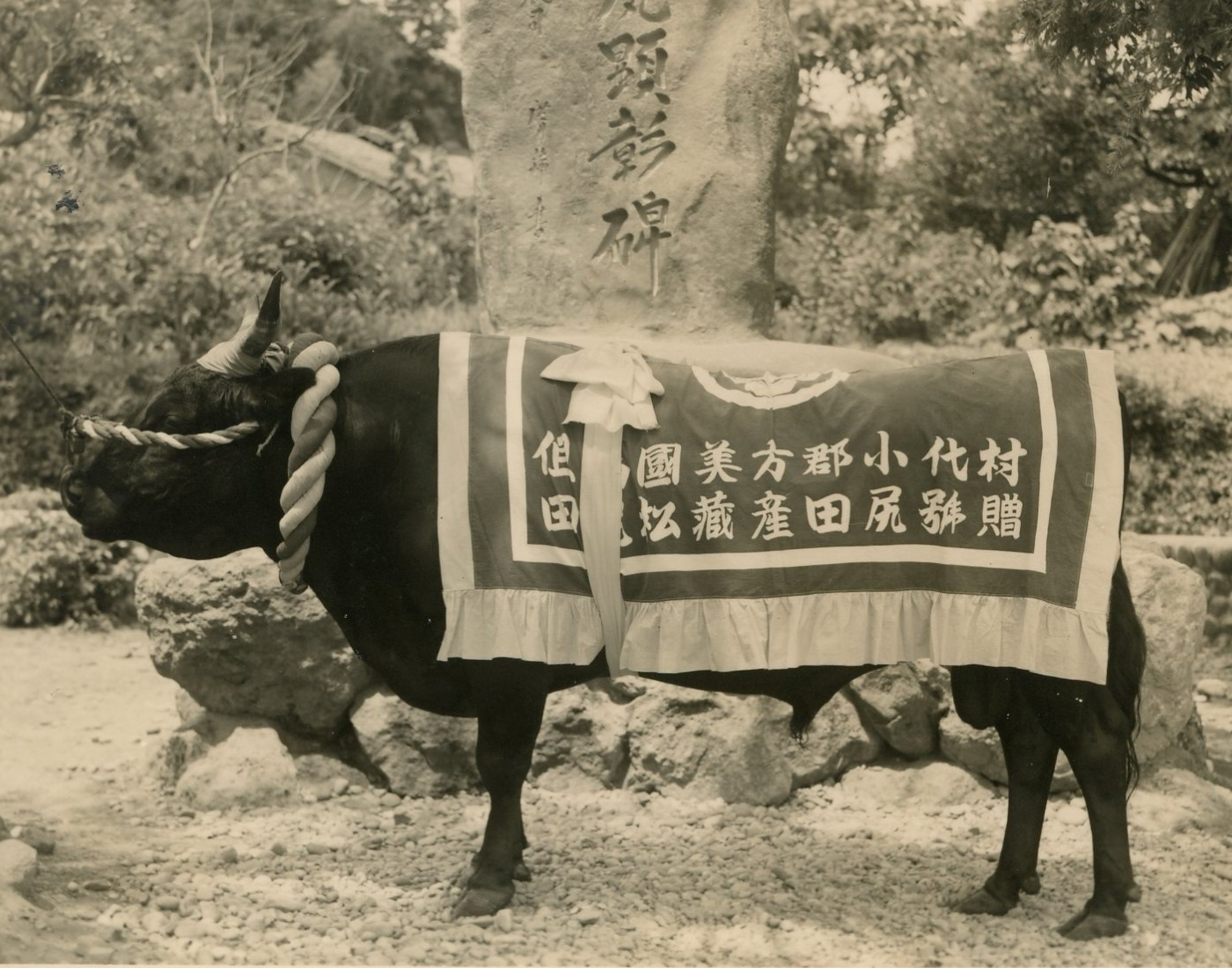
Tajima cattle, the source of all Wagyu in Japan.
Kobe Beef, Matsusaka Beef, Ōmi Beef—Japan’s renowned Wagyu brands.
Tracing the history of these brands leads back to the presence of Tajima cattle. The bloodlines preserved in the Mikata region have supported the improvement of Wagyu across Japan. The story of Wagyu’s origins begins here.
KOBE BEEF
The origin of world renowned Kobe Beef.
Tajima cattle have long been inherited as the foundation of Wagyu throughout Japan.
It was Kobe Beef that brought their value to global recognition.
Known worldwide as a premium brand, Kobe Beef is produced only from Tajima
“Motoushi” *cattle born and raised in Hyogo Prefecture.
The exceptional bloodlines and husbandry culture preserved over many years create the quality recognized around the world.
*Glossary: Motoushi (feeder cattle): Cattle raised to become fattened beef.
MIKATA REGION
The landscape that nurtured the homeland of Wagyu.
The Mikata region, located in the northwestern mountains of Hyogo Prefecture, consists of Kami Town and Shin-onsen Town.
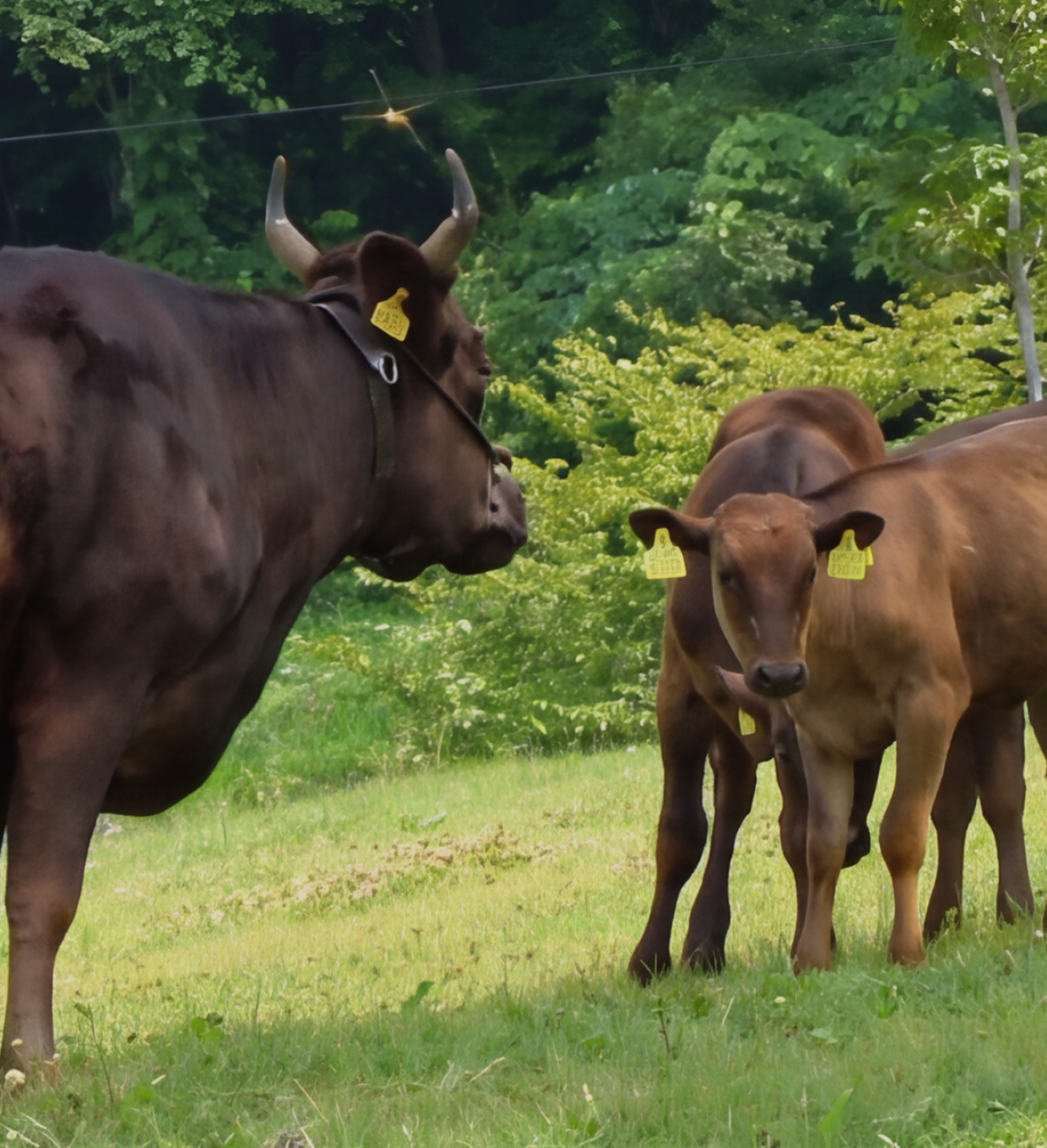
Surrounded by 1,000 meter class mountains, rich forests, and terraced rice fields, Tajima cattle have been raised in this natural environment.
The region’s climate and landscape support the origins of Wagyu.
COEXISTENCE
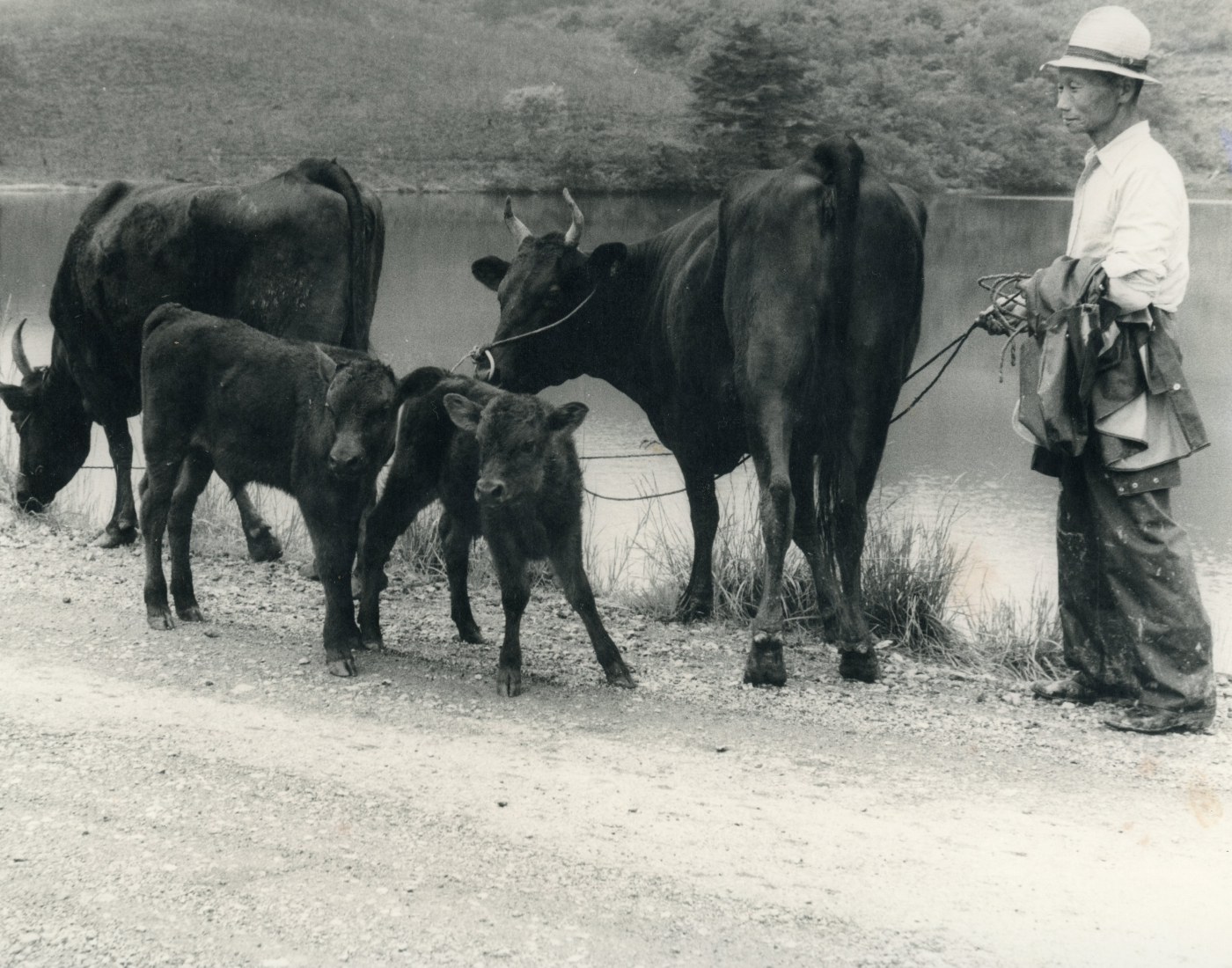
Cattle were family.
In the past, cattle were essential partners in agricultural work.
People and cattle lived under the same roof, and each one was given a name and raised with care.
This deep relationship between people and cattle forms the foundation of Tajima cattle’s exceptional quality.
CIRCULATION
Agriculture sustained
by terraced fields and cattle.
Rice straw becomes feed for cattle, and cattle manure enriches the rice fields.
In the Mikata region, a circular agricultural system linking rice farming and livestock has continued since ancient times.
The harmony among people, cattle, and nature preserves the beautiful scenery of terraced rice fields.
NATURE
Mountain grasses raise Tajima cattle.
“Tajima cattle are raised in the mountains and fed by grass.”
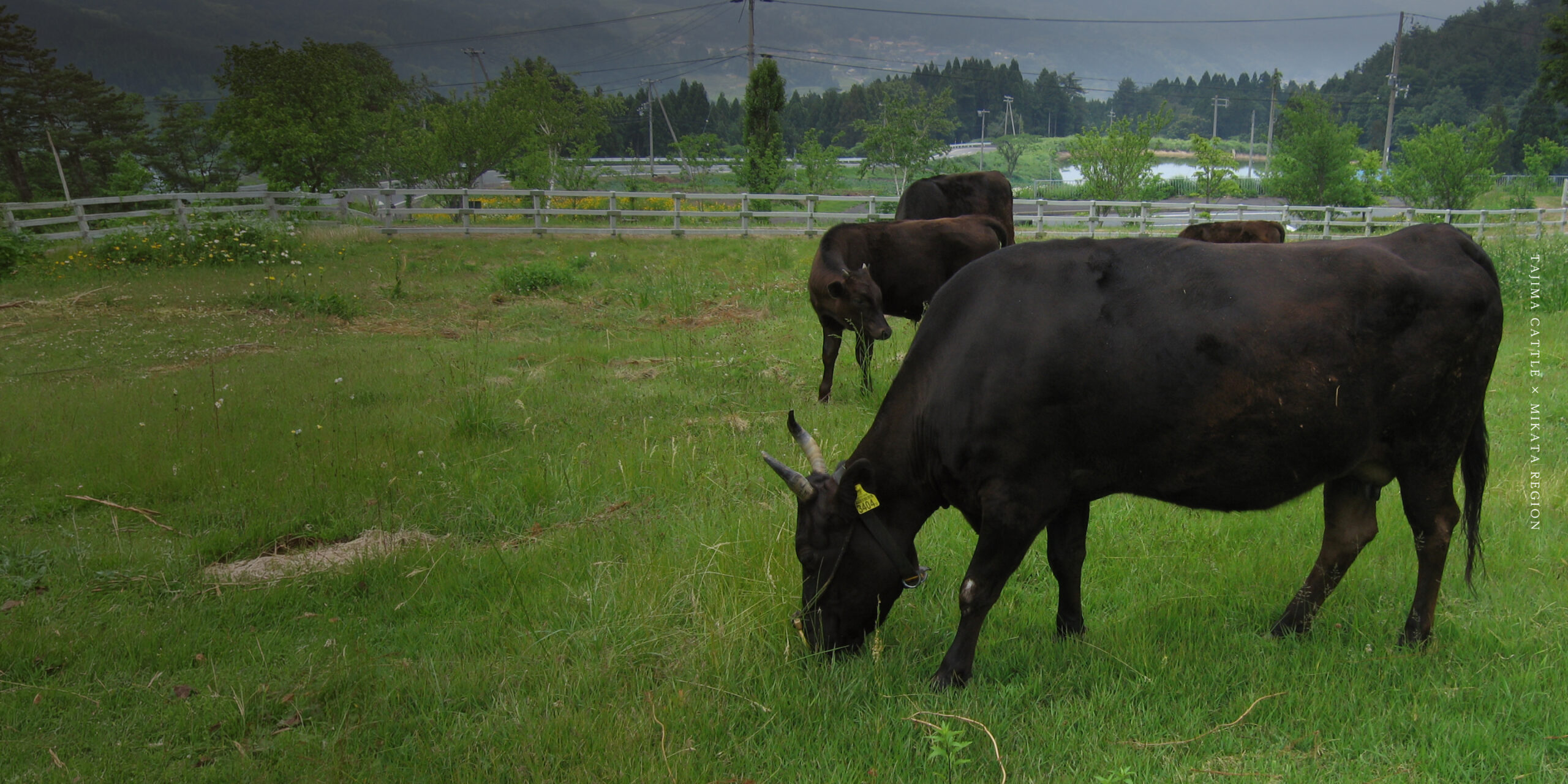
Grazing has long been practiced in the Mikata region, where cattle grow while feeding on mountain grasses.
Grazing helps maintain grassland ecosystems and contributes to environmental conservation that supports diverse living organisms.
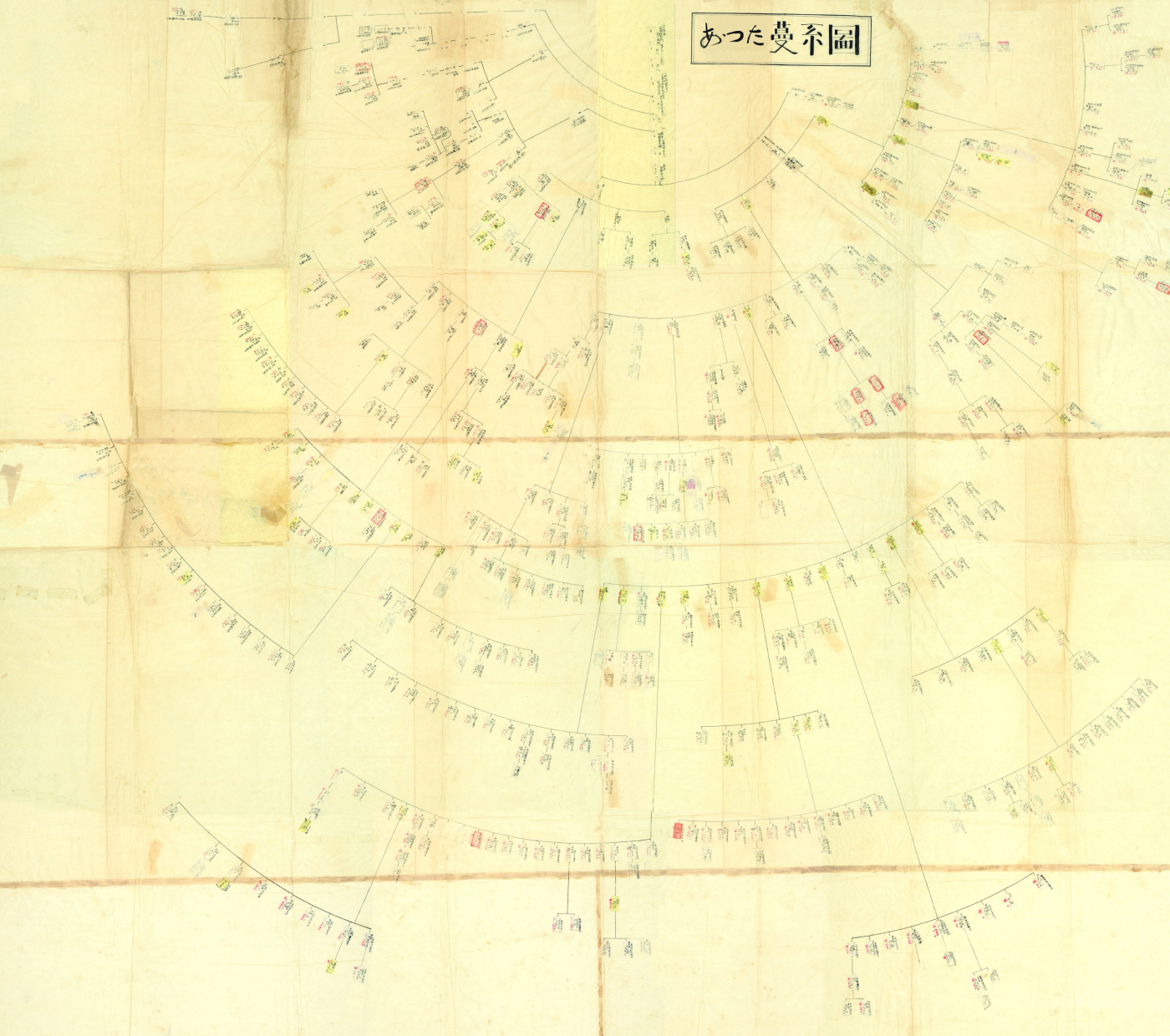
BLOODLINE
More than 100 years of inherited bloodline management.
The Mikata region was the first in Japan to establish the cattle registry, a record comparable to a family register.
This system of documenting bloodlines became the foundation of Japan’s Wagyu registration system.
The preserved records uphold the value and trust of Tajima cattle.
GLOBALLY IMPORTANT AGRICULTURAL HERITAGE SYSTEMS
A way of life between people and cattle, recognized worldwide.
The value inherited in the Mikata region extends beyond Tajima cattle.
Genetic resource conservation, coexistence of people and cattle, preservation of terraced fields, grazing culture, and circular agriculture—
These interconnected practices form an agricultural system that has been recognized as a GIAHS.
The traditions that protect the origins of Wagyu continue into the future.
Agricultural Heritage Systems
Agricultural
Heritage Sites Nationally Important
Agricultural Heritage Systems
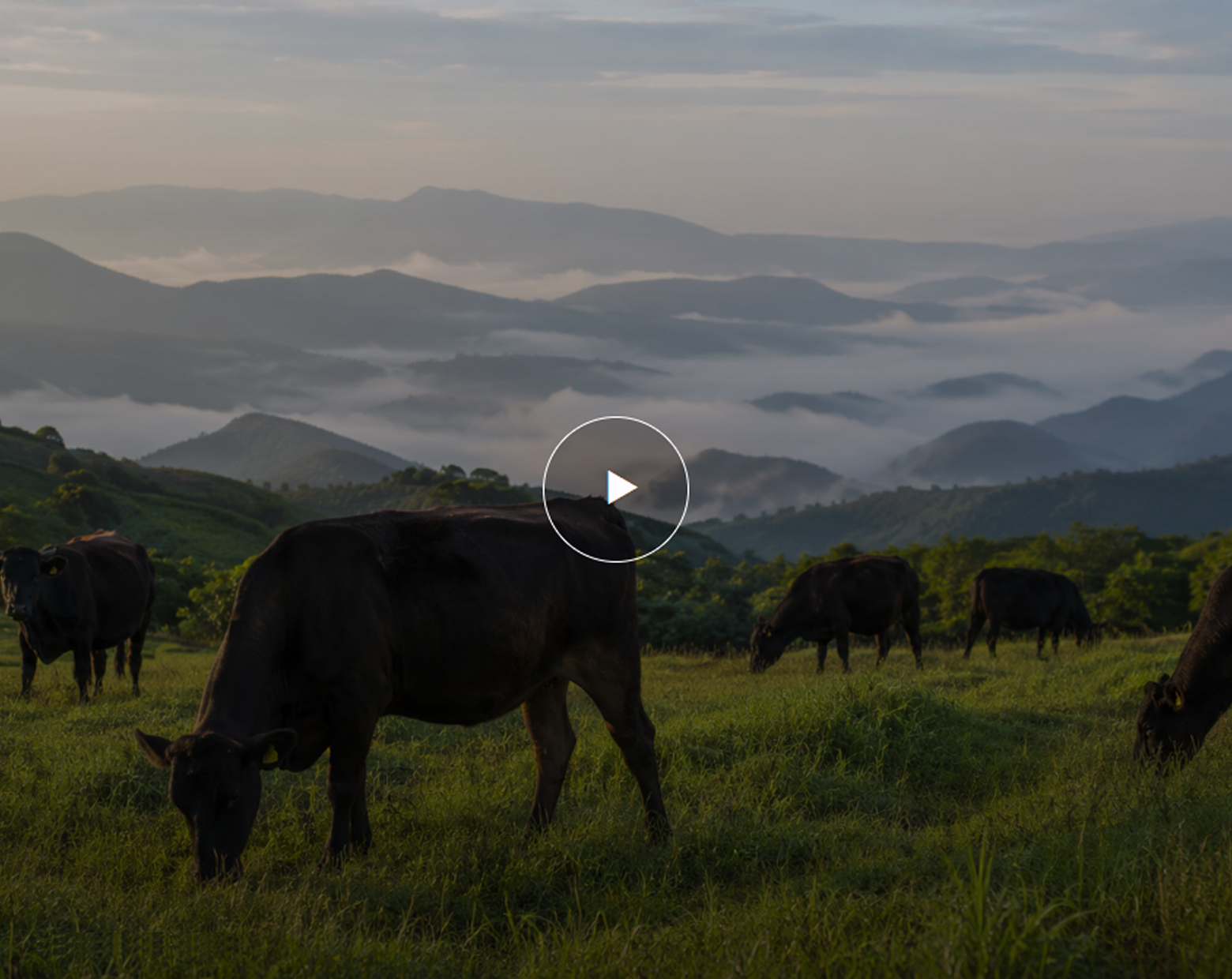
FILM
Discover the birthplace of Wagyu through film.
The nature that nurtures Tajima cattle.
The lives shared by people and cattle.
Experience the charm of the Mikata region—recognized as a Globally Important Agricultural Heritage System—through video.